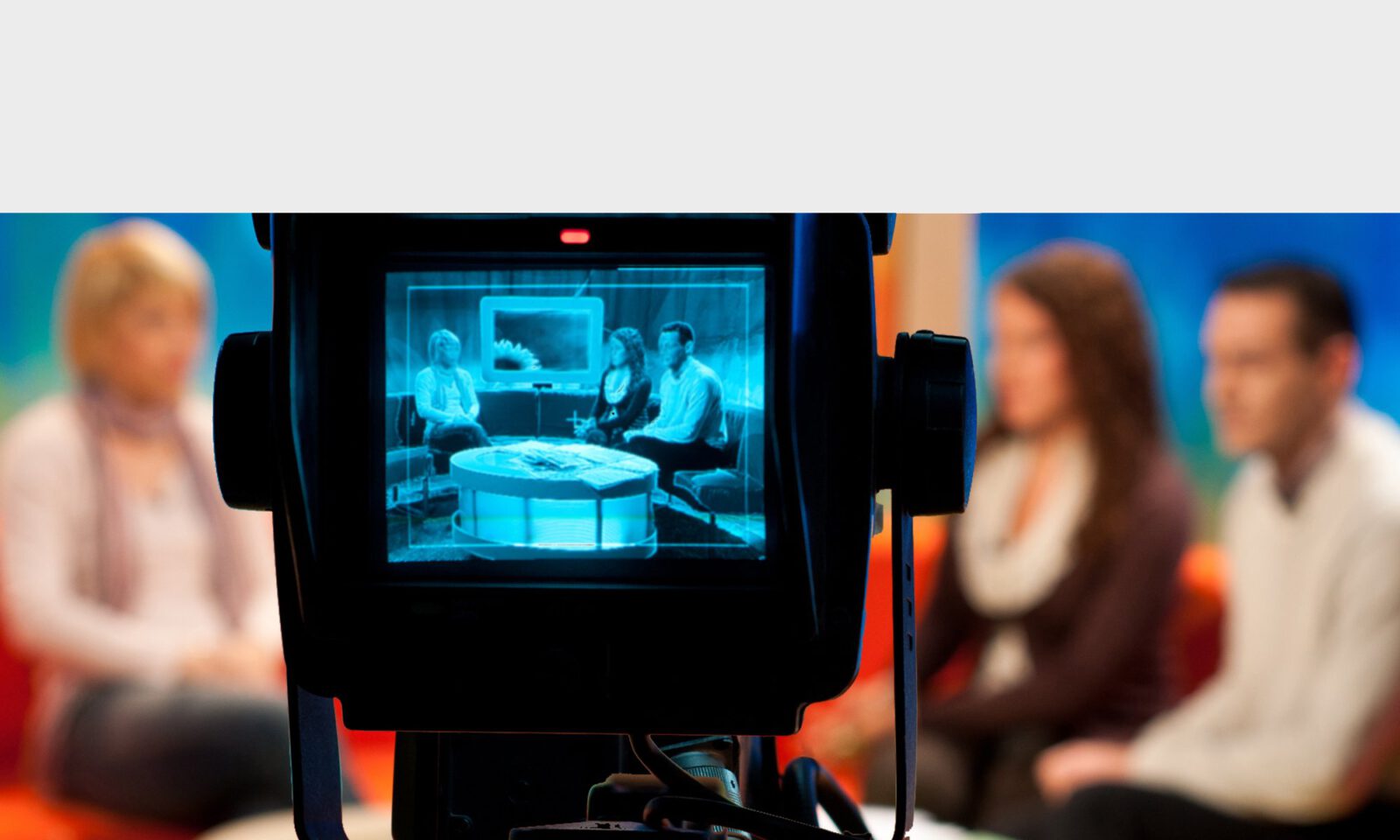

A core message without an example isn’t complete. People are wired to respond to images, not just statements. Most people don’t just think in images — they process in images too. And it starts with the picture you, as a speaker, create through what you show and say in your presentation.
Use that. Let the image carry your story and instantly give meaning to the point you want to make.
An example:
Confession
I loved you with a love so deep and true,
that now I’ve almost lost all thought of you,
yet speaking still your name remains with me
a gentle touch I live on endlessly.
And this the sweetest memory I keep:
how in the square, where linden songs ran deep,
from shaded streets of white you came my way.
Soft summer winds at play
pressed silk of pale yellow against your frame,
your slender form, your eyes — a wistful flame,
wide with a longing, distant, undefined.
How many summers slipped behind.
I loved you still with such enduring grace,
that now I’ve almost lost your form, your face,
yet on my lips there lingers, soft as when,
I speak your name alone… and live again.
© 1946 – Hans Warren
I SEE WHAT YOU MEAN
This reflection by the Dutch poet Hans Warren is one of my personal favorites — mainly because I can see it. Generally speaking, people remember about 80% of what they see, 20% of what they read, and just 10% of what they hear. He combines all of that, turning this poem into something you don’t just understand — you feel.
Now imagine what happens when you combine seeing, hearing, and “reading” in your presentation or in an answer to a journalist’s question. Suddenly, you’re quotable. Journalists — and their viewers, listeners, and readers — love vivid imagery.
That’s why, after “what’s going on?”, the most common journalistic question is: “what does this look like in practice?”
In other words: example…?

PITFALLS
A common mistake in presentations is forcing in visuals that add no value. Picture a speaker at a livestock conference showing a slide of a cow and saying, “this is a cow.” Not helpful.
In presentation training, we teach you to make visuals work for you — to strengthen your message. Don’t tell people what they’re seeing. Tell them why it matters. For example: “This is Bertha 76, our award-winning dairy cow.”
Another pitfall is interpretation through your own mental frame — or “denkraam,” as Olivier B. Bommel would put it. The image I have in mind when reading Warren’s poem is personal: a memory of my high school crush Carolina, walking through a golden field. Someone else might picture a completely different scene — say, a man strolling along a seaside boulevard. In that case, my image might distract rather than clarify.
VISUAL PROCESSING IS FASTER
Research shows that over 90% of the information our brains absorb is visual. And it’s not just about what we see around us — it also applies to the information we hear or read. Visual content is processed up to 60,000 times faster than abstract or theoretical information.
So don’t aim to be exhaustive. Aim to be meaningful. Bring your core message to life with an example tailored to your audience.
That’s where understanding turns into impact.